
Heritage Meets Today’s Chocolate
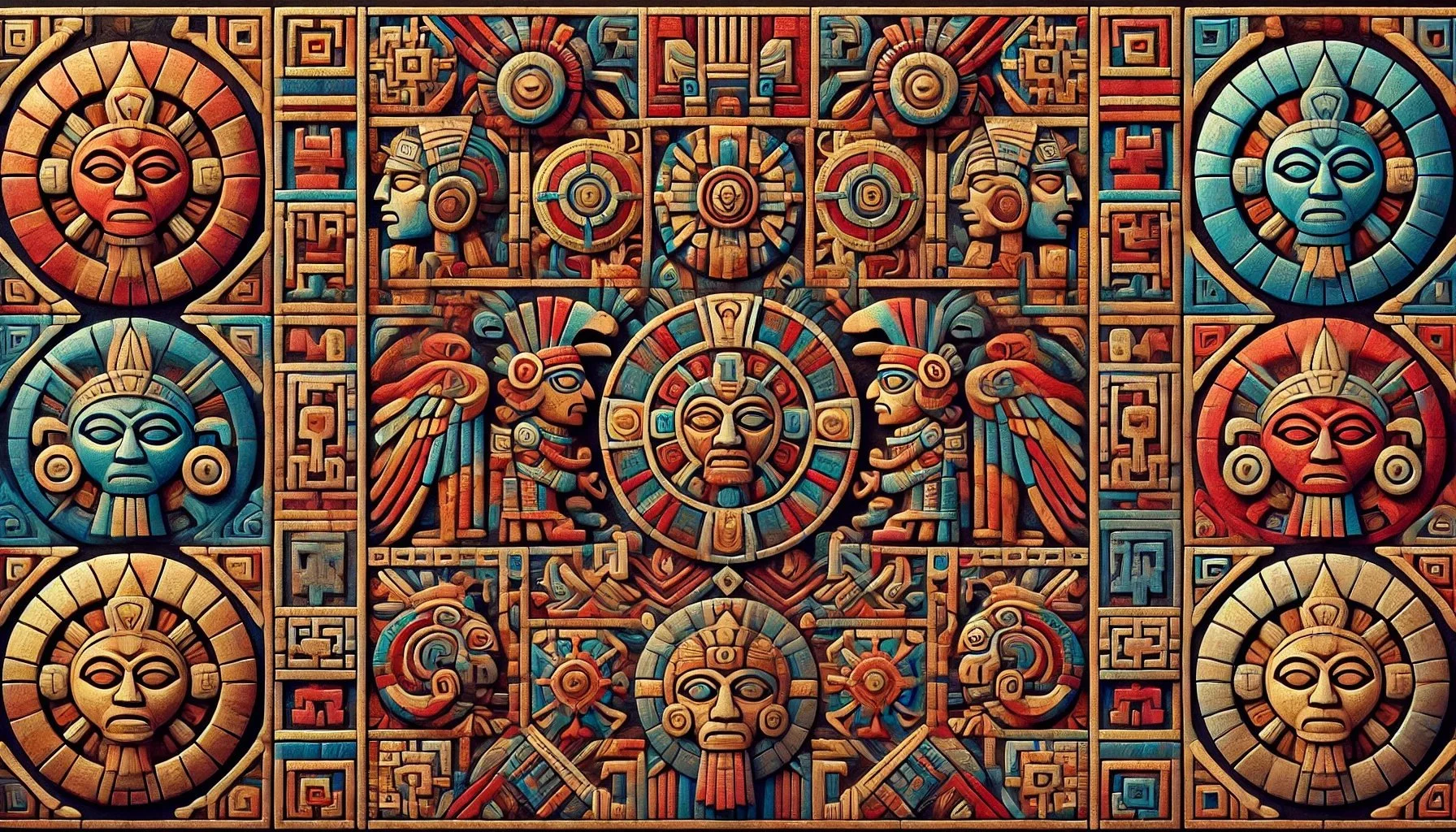
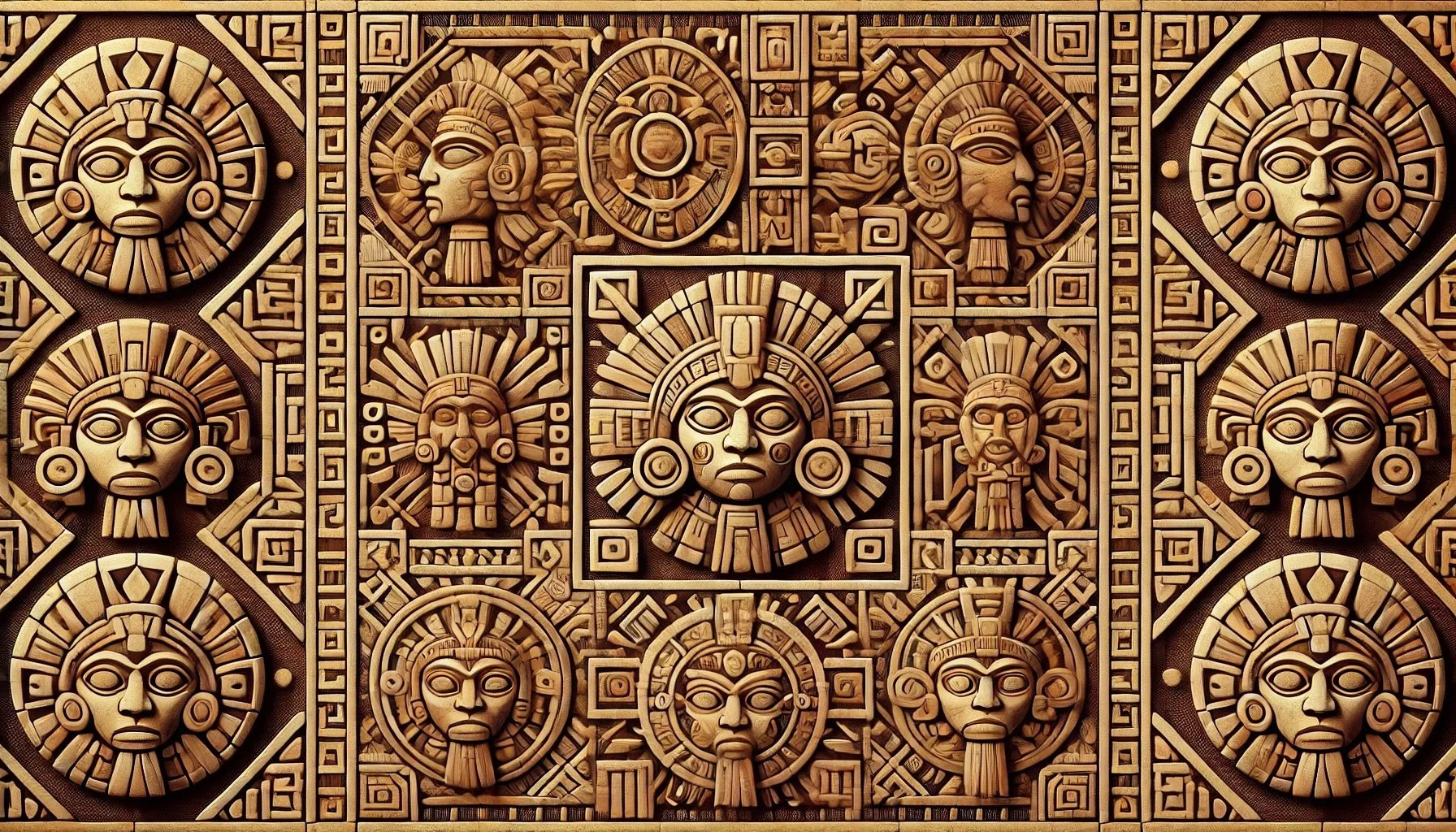
Long before sugar and modern confections existed, ancient Mesoamerican cultures such as the Olmec, Maya, and Aztec revered Cacao as a sacred gift — a divine bean. Cacao drinks served as ceremonial fare, currency, and spiritual nourishment for rulers and priests alike.
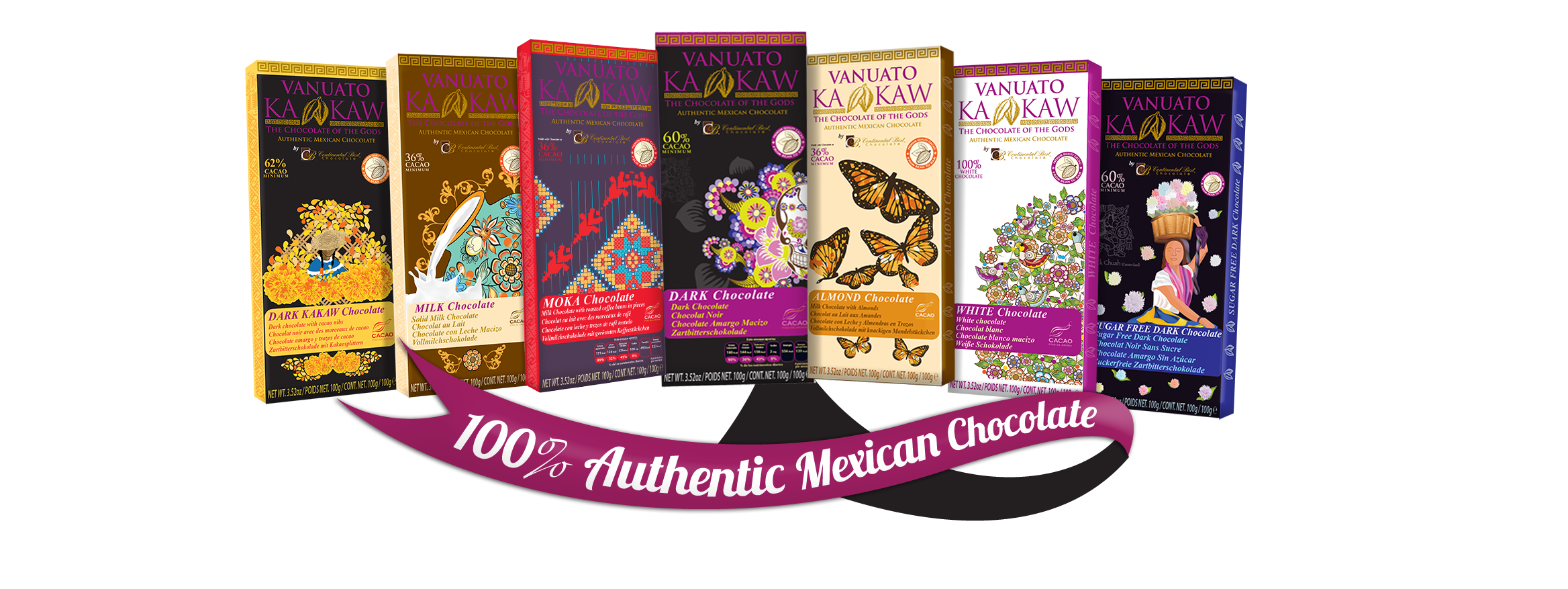
Vanuato Kakaw picks up this ancient legacy and carries it forward: each tablet, bar and truffle is rooted in the same land, Mexico, the heart of the world’s earliest chocolate culture.
We source single-origin cacao from regional growers and trace each bean back to its origin with care. Our mission is simple: to honor Cacao’s history while crafting Chocolate products that meet modern tastes and standards, pure, honest, and elevated. As well as showcase glimpses of Mexican culture in the themes of our chocolate.
Every product is a small homage to the past, a bridge between ancient tradition and contemporary indulgence. With Vanuato Kakaw, you’re not just tasting Chocolate; you’re tasting history, from the ancient deities of Mesoamerica to your modern palate.
History of Chocolate
Chocolate has its roots in Mesoamerica, where cacao was cultivated more than three thousand years ago by the Olmec civilization. The word kakaw comes from the Nahuatl language and means “bitter juice,” referring to the frothy, ceremonial drink prepared from the cacao bean. Later, the Aztecs referred to their own preparation as chukawatl, or “hot foamy water,” reserved for warriors, nobility, and sacred rituals.
According to mythology, cacao was a divine gift from the gods, given to the Olmecs and later embraced by the Maya and Aztecs as a symbol of strength, status, and spiritual significance. Cacao beans were even used as currency, prized for their value and rarity.
Chocolate entered the European world in 1502, when Christopher Columbus encountered cacao during his fourth voyage and took it to Spain. In 1519, Hernán Cortés introduced cacao and its preparation methods to the Spanish court, where it quickly became a luxury indulgence. By 1657, London saw the birth of Europe's first cacao trading company, and in 1765, the United States opened its first chocolate factory under the Baker Company name. Switzerland revolutionized chocolate in 1819 with the first European chocolate factory and in 1875 with the creation of milk chocolate in solid form.
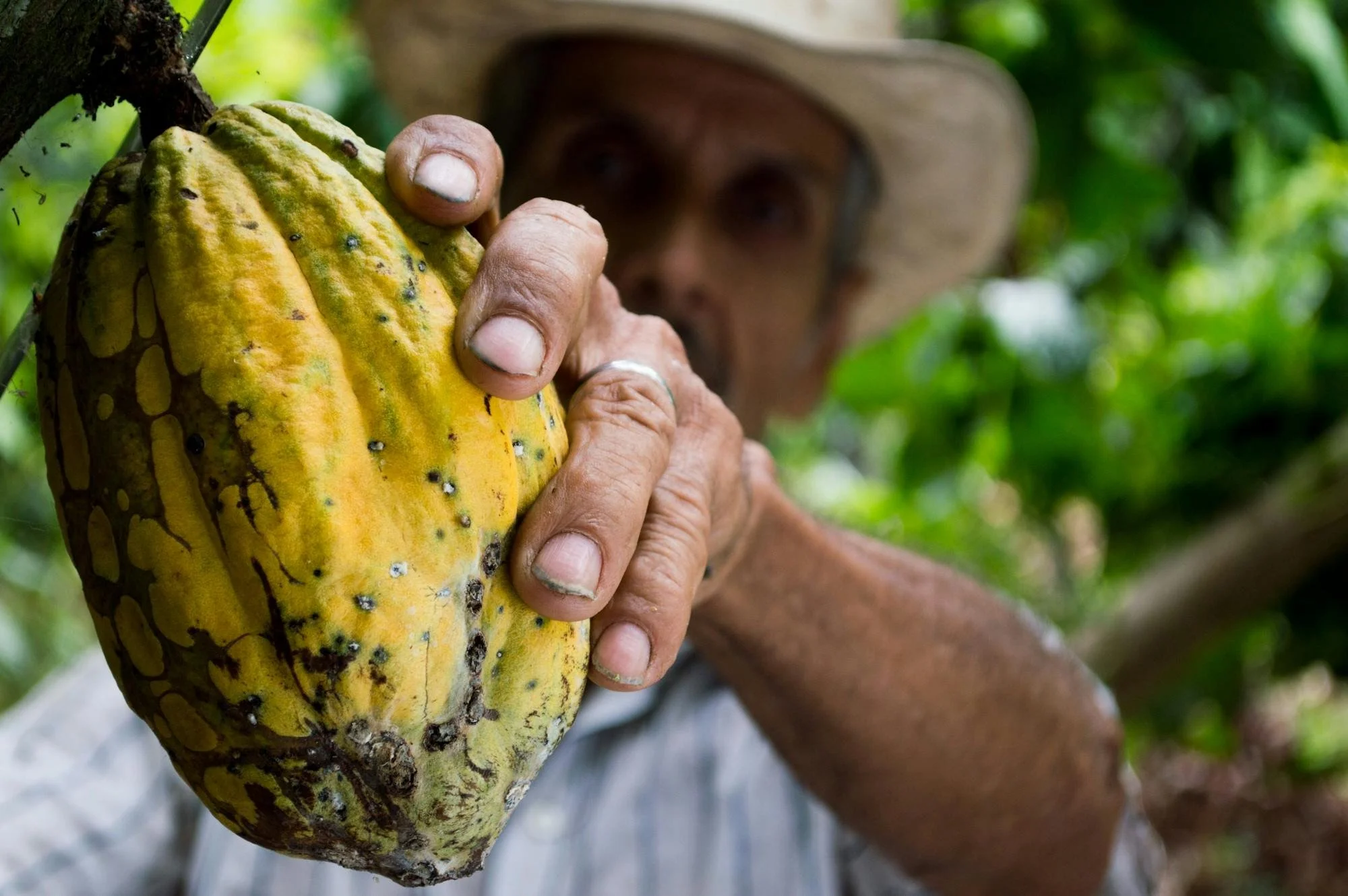
Cacao itself grows in a narrow tropical belt, 15 degrees north and south of the equator. The cacao tree, Theobroma cacao — “Food of the Gods” — produces fruit directly from its trunk, each pod containing 25 to 50 seeds. There are three principal varieties of cacao: Criollo, the rarest and most prized; Forastero, the most robust and widely grown; and Trinitario, a hybrid celebrated for its balanced flavor and complexity.
Chocolate is rich in antioxidants, flavonoids, and essential minerals such as magnesium, iron, zinc, calcium, and potassium. It contains natural stimulants like theobromine and phenylethylamine, which are associated with mood enhancement and well-being.
The long journey from sacred drink to modern chocolate bar tells the story of cultural exchange, innovation, and centuries of reverence for one of the world’s most fascinating foods.